Categories
Blog Garage Door Installation & Replacement

Which Garage Door Opener Fits Your Jacksonville Home?

garage-door-openers-section

Choosing the right garage door opener isn’t always straightforward, especially with multiple drive types and features to consider. The right choice depends on your door’s weight, your garage’s layout, how often you use the door, and even how much noise you’re willing to live with. Getting it right the first time also means fewer garage door repair calls down the road, since the wrong opener for your setup tends to wear out faster and strain other parts of the system.

Here’s a practical breakdown of the opener types available for Jacksonville homes and how to figure out which one actually fits yours.

Why the Right Opener Choice Matters

A garage door opener does more than just lift and lower the door. It works alongside the springs, tracks, and cables as one connected system. An opener that’s mismatched to your door’s weight or usage pattern puts extra strain on everything else, which often shows up later as a spring failure, track misalignment, or a motor that burns out well before it should.

Picking the right opener from the start, or replacing an aging one before it fails completely, is one of the simpler ways to avoid an unplanned garage door repair down the line.

Belt Drive Openers

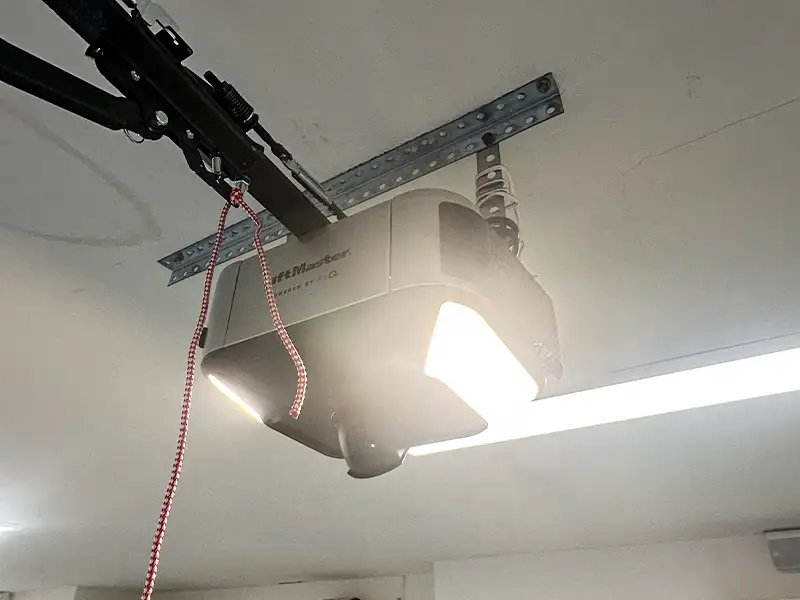
Belt drive openers use a rubber belt reinforced with steel to move the door along the track. They’re one of the quieter options available, which makes them a strong fit for garages that sit right below a bedroom or living space.

Best For

  • Homes with a garage under or beside frequently used rooms
  • Anyone who wants a quieter opener without giving up reliability
  • Daily use where consistent, smooth operation matters

Belt drive systems tend to run smoothly over time with less noticeable wear noise, though like any opener, they still need occasional inspection to keep the belt tension correct and the track clear.

Chain Drive Openers

Chain drive openers use a metal chain to pull the door along the track, similar to a bicycle chain. They’re a proven, durable option and tend to be more budget-friendly than belt drive systems.

Best For

  • Detached garages or garages farther from living spaces where noise is less of a concern
  • Heavier doors that need a strong, dependable lifting mechanism
  • Homeowners looking for a reliable option without a premium price tag

Chain drive openers are workhorses, but they do run louder than belt drive systems, and the chain itself needs periodic lubrication to keep operating smoothly.

Wall Mount Openers

Wall mount openers sit on the wall beside the door rather than running along the ceiling track. This frees up ceiling space, which is useful for garages with limited overhead clearance or homeowners who want to use that space for storage.

Best For

  • Garages with high ceilings used for storage racks or lifts
  • Homes where ceiling space is at a premium
  • Anyone wanting a cleaner, less cluttered garage ceiling

Because the mechanism is positioned differently than a traditional track-mounted opener, wall mount systems are often a good match for garages that don’t fit the standard layout.

Matching the Opener to Your Door

Beyond drive type, the opener itself needs to be sized correctly for your door’s weight and daily use.

Door Weight and Size

A heavier door, such as a solid wood or insulated steel door, needs an opener with enough horsepower to lift it consistently without straining the motor. An opener that’s underpowered for the door will wear out faster and put uneven stress on the springs and tracks.

Frequency of Use

A door that opens and closes multiple times a day, especially for a primary vehicle entrance, benefits from a heavier-duty opener built for frequent cycling. A secondary or rarely used door has more flexibility in opener choice.

Existing Hardware Condition

If your current springs, tracks, or cables are already worn, installing a new opener without addressing that wear just shifts the strain onto a new motor. A full inspection before installing a new opener helps confirm the rest of the system is ready to support it.

Signs Your Current Opener Needs Attention

Sometimes the decision isn’t about upgrading proactively but responding to a system that’s already struggling.

Warning Signs to Watch For

  • The opener strains, stalls, or reverses unexpectedly during operation
  • Grinding, screeching, or unusual noises coming from the motor unit
  • The door opens or closes unevenly, or hesitates partway through the cycle
  • The remote or wall switch works inconsistently
  • The opener runs but the door doesn’t move, which often points to a belt, chain, or gear issue rather than the opener itself

Catching these signs early usually means a simpler garage door repair rather than a full opener replacement.

LiftMaster and Genie Openers for Jacksonville Homes

A1A Overhead Door repairs and installs LiftMaster and Genie openers across belt, chain, and wall mount systems for residential properties throughout Jacksonville and the surrounding area. Both brands offer reliable options across different drive types, and the right fit comes down to your specific door, garage layout, and how you use it day to day.

Why Brand and Installation Quality Both Matter

An opener is only as good as its installation. Even a well-built LiftMaster or Genie unit will underperform if it’s not properly aligned with the door’s travel, safety sensors, and existing hardware. That’s why opener installation and garage door repair should be handled by someone familiar with the full system, not just the motor unit itself.

Getting Opener Installation and Repair Done Right in Jacksonville

A1A Overhead Door has been serving Jacksonville and the surrounding communities for nearly 30 years as a family-owned, non-franchised business. Whether you’re installing a new opener, replacing an aging one, or dealing with a garage door repair that’s turned out to involve the opener itself, our team assesses the full system rather than just swapping parts.

Licensed and Locally Accountable

Every installation and repair is performed under our own county specialty contractor licenses, GD17 in Duval County and BL5747 in St. Johns County, never subcontracted out to a crew you haven’t met.

Backed by a Real Warranty

Opener installations and repairs are backed by a one year warranty on parts within the scope of the work performed. If something needs attention afterward, we come back out.

Frequently Asked Questions

What’s the difference between a belt drive and chain drive opener? Belt drive openers use a reinforced rubber belt and run quieter, making them a good fit for garages near living spaces. Chain drive openers use a metal chain, run louder, and tend to be more budget-friendly while still offering strong, dependable lifting power.

Is a wall mount opener a good option for every garage? Wall mount openers work well for garages with limited ceiling clearance or homeowners who want the ceiling space free for storage. They’re less about being universally better and more about fitting a specific garage layout.

Can I install a new opener without checking the rest of my garage door system? It’s not recommended. An opener works alongside the springs, tracks, and cables, so worn hardware can strain a new opener and shorten its lifespan. A full inspection before installation helps the new opener perform the way it should.

Do LiftMaster and Genie openers require different maintenance? Both brands are reliable when properly installed and maintained, and general upkeep like checking the drive mechanism and keeping tracks clear applies across both. Specific maintenance needs can vary by model, so it’s worth asking your technician what your particular unit needs.

What areas does A1A Overhead Door serve for opener installation and garage door repair? A1A Overhead Door serves Jacksonville, Neptune Beach, Atlantic Beach, Jacksonville Beach, Ponte Vedra, Ponte Vedra Beach, Nocatee, Fernandina Beach, Amelia Island, Yulee, Callahan, Hilliard, Orange Park, Middleburg, Green Cove Springs, St. Augustine, St. Augustine Beach, Kingsland, St. Marys, Woodbine, and nearby communities across Duval, Nassau, Clay, and St. Johns Counties in Florida and Camden County in Georgia.

Find the Right Opener for Your Home

Choosing between belt, chain, and wall mount openers comes down to your garage’s layout, your door’s weight, and how you use it every day. A1A Overhead Door has been helping Jacksonville homeowners make that decision, and handling the garage door repair work that comes with it, for nearly 30 years. Call (904) 821-8463 today to talk through the best opener option for your home or to schedule a repair on your current system.

Categories
Blog Garage Door Repair & Troubleshooting

Is Your Garage Door Ready for Hurricane Season?

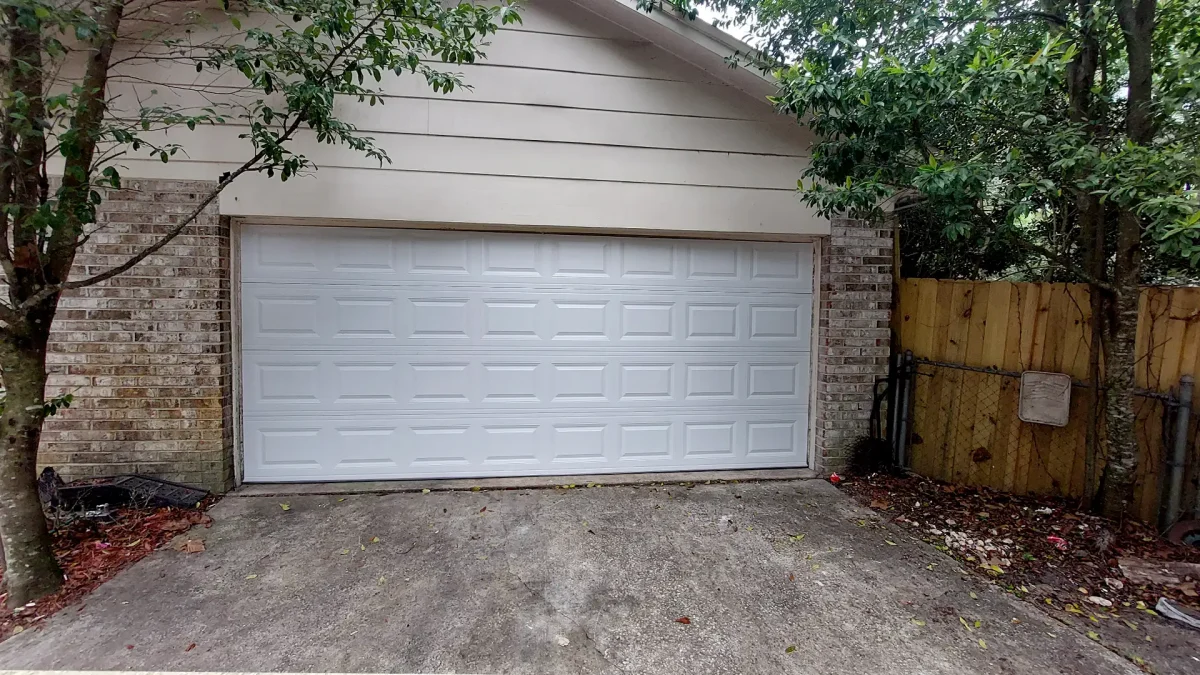
four-section sectional garage door

Hurricane season puts every part of a Florida home to the test, and the garage door is often the weakest point in that equation. A poorly maintained or outdated door can fail under wind pressure, letting storm forces into the garage and putting the rest of the house at risk. Before the next storm system rolls toward the coast, it’s worth taking a close look at whether your door and its components can actually hold up.

For homeowners across Jacksonville, Neptune Beach, Fernandina Beach, Ponte Vedra, and the surrounding communities, this isn’t a hypothetical concern. It’s a yearly reality that makes routine garage door service just as important as boarding windows or stocking supplies.

Why Garage Doors Matter So Much During a Hurricane

Most people think about roofs and windows when they prepare for a storm, but the garage door is one of the largest openings on any home. When it fails, wind can rush into the garage and push upward on the roof from the inside, which is a common cause of structural damage during hurricanes.

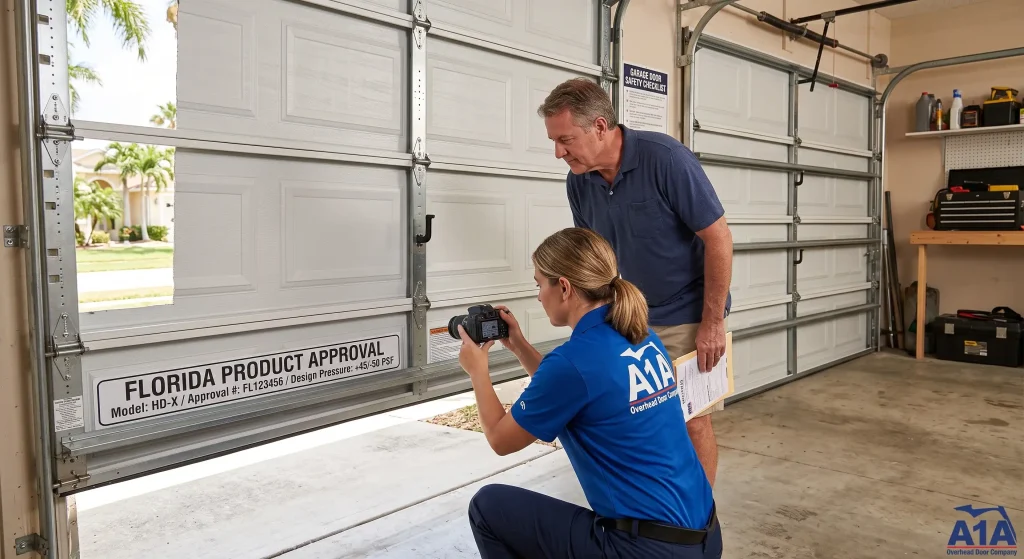
This is exactly why Florida’s building code has required wind load rated garage doors since 2002. That standard exists because engineers and building officials recognized how much damage an unsecured or under built garage door could cause once high winds got behind it.

What Happens When a Garage Door Fails in High Winds

A few different failure points tend to show up during storms:

  • Panels buckle or blow inward under sustained wind pressure
  • Tracks bend or pull away from the wall, letting the door detach
  • Weak or worn springs snap under the added strain of wind load
  • Older doors without wind rated components simply were not built for the pressure

Any one of these can turn a garage door into an open gap in your home’s defense during a storm.

Signs Your Garage Door Needs Attention Before Storm Season

You do not need to be a contractor to spot most warning signs. A little attention now can prevent a much bigger problem later.

Visual and Physical Warning Signs

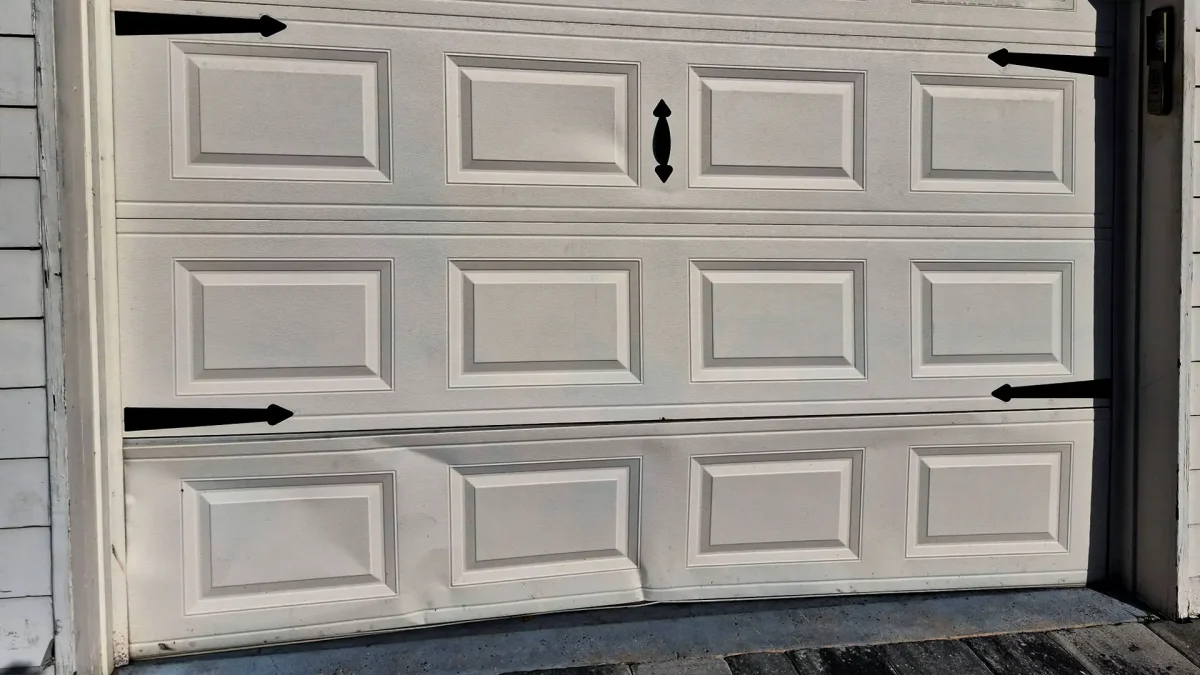
  • Visible dents, cracks, or panel damage
  • Rust or corrosion on tracks, hinges, or hardware
  • A door that shudders, sticks, or moves unevenly when opening and closing
  • Gaps around the edges of the door where daylight is visible
  • An opener that struggles, reverses unexpectedly, or makes grinding noises

Age and Installation Red Flags

If your home was built or your garage door was installed before 2002, there’s a good chance it was never engineered to meet Florida’s wind load requirements at all. Even doors installed after that date can lose integrity over time as springs weaken, hardware corrodes in the coastal humidity, and tracks shift slightly out of alignment.

What a Pre-Hurricane Garage Door Service Should Cover

A proper inspection ahead of storm season goes beyond a quick glance. It should cover every part of the system that keeps the door secured and functioning.

Spring and Hardware Inspection

Torsion and extension springs carry the physical load of the door and are one of the first components to show wear. A qualified technician checks that springs are sized correctly for your specific door, not just replaced with a generic match. Worn springs under wind load are far more likely to snap at the worst possible moment.

Track and Panel Assessment

Tracks need to be straight, properly bolted, and free of rust or bends. Panels should be checked for hidden cracks or weak points, not just obvious damage. A door can look fine from the driveway and still have issues that only show up under pressure.

Opener and Safety Feature Check

Belt, chain, and wall mount openers all need to engage and disengage smoothly. A struggling opener puts more strain on the rest of the door system and can be an early indicator of a bigger mechanical issue.

Wind Load Compliance Review

For homes in Duval and St. Johns Counties, doors installed or replaced need to meet the wind load standards required by local building code. A technician licensed in these counties can confirm whether your current door meets that standard or whether an upgrade makes sense before storm season arrives.

Repair, Reinforce, or Replace: Making the Right Call

Not every door that shows wear needs to be replaced. The right decision depends on the door’s age, its current condition, and whether it was built to meet wind load standards in the first place.

When Repair Makes Sense

If the door itself is structurally sound and wind rated, but individual components like springs, rollers, or hardware are worn, targeted repairs usually solve the problem. Visible panel damage does not automatically mean the whole door needs replacing. An honest assessment of the full door should always come before deciding what work is actually needed.

When Replacement Is the Safer Investment

Homes with pre-2002 doors, or doors that were never rated for hurricane conditions, are better served by installing a new hurricane-compliant door. This is especially true for coastal properties in Atlantic Beach, Fernandina Beach, and Amelia Island, where wind exposure tends to be more direct.

Frequently Asked Questions

How often should I schedule garage door service before hurricane season? An annual inspection before the start of hurricane season is a reasonable baseline for most homes. Coastal properties dealing with more humidity and salt air may benefit from checking hardware condition more frequently, since corrosion tends to progress faster near the coast.

Does my current garage door meet Florida’s hurricane code? It depends on when the door was installed. Florida has required wind load rated garage doors since 2002, so any door installed before that likely does not meet current code. A licensed technician can inspect your specific door and confirm its rating.

Can a garage door opener affect how well the door holds up in a storm? Yes. A properly functioning opener keeps the door moving evenly and helps avoid added strain on tracks and panels. An opener that is already struggling can accelerate wear on other parts of the system, which becomes more noticeable under storm conditions.

Is panel damage on my garage door something to worry about before a storm? It depends on the extent and location of the damage. Some panel damage is cosmetic, while other damage can compromise the door’s structural integrity. A full assessment is the only reliable way to know which situation you’re dealing with.

What counties does A1A Overhead Door serve for garage door service? A1A Overhead Door serves Duval, Nassau, Clay, and St. Johns Counties in Florida, along with Camden County in Georgia. This includes Jacksonville, Neptune Beach, Atlantic Beach, Jacksonville Beach, Ponte Vedra, Ponte Vedra Beach, Nocatee, Fernandina Beach, Amelia Island, Yulee, Callahan, Hilliard, Orange Park, Middleburg, Green Cove Springs, St. Augustine, St. Augustine Beach, Kingsland, St. Marys, Woodbine, and nearby communities.

Get Your Garage Door Storm Ready Today

Hurricane season does not wait for anyone to be ready, which is why getting ahead of it matters. A1A Overhead Door has been providing garage door service to Jacksonville and the surrounding communities for nearly 30 years as a family-owned, non-franchised business. Every inspection, repair, and installation is performed under our own county specialty contractor licenses, GD17 and BL5747, and backed by a one-year parts warranty on the work we complete.

Whether your door needs a straightforward inspection, a spring repair, or a full upgrade to a hurricane-compliant model, our team will give you an honest assessment of what it actually needs before any work begins. Call A1A Overhead Door today at (904) 821-8463 to schedule your pre-storm garage door service and head into hurricane season with confidence.

Categories
Blog Garage Door Maintenance, Safety & Hurricane Protection

Need 24 Hour Garage Door Spring Repair in Jacksonville? Here’s What You Should Know First

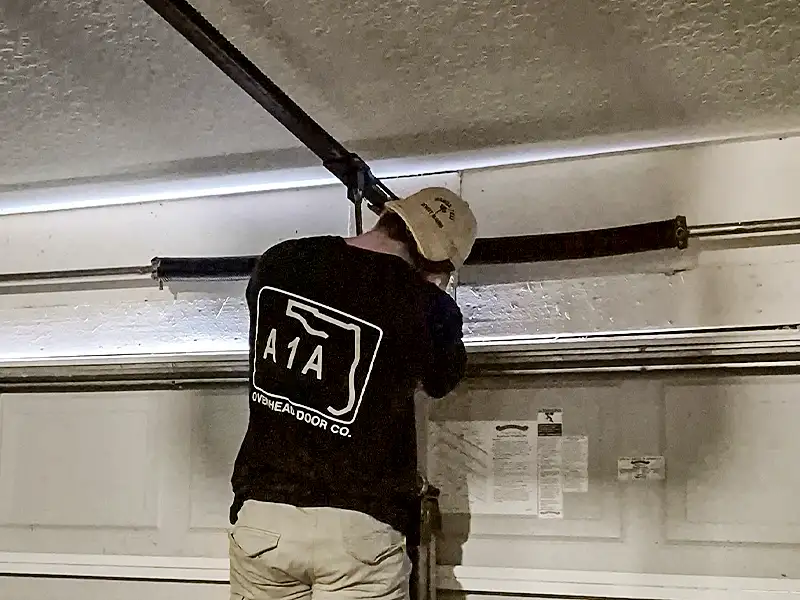
Garage Door Panel Replacement

A broken garage door spring rarely picks a convenient time to fail. It’s usually late at night, early before work, or right in the middle of a weekend when you’re trying to leave for an appointment. If you’re searching for 24 hour garage door spring repair in Jacksonville, you’re probably staring at a door that won’t budge or one that slammed down faster than it should have, and you need real answers, not just a phone number.

Here’s what actually matters when a spring fails, what to expect from a repair, and how to find a company that will show up and do the job right.

Why Garage Door Springs Fail Without Warning

Garage door springs carry the full weight of the door every single time it opens or closes. Over thousands of cycles, that constant tension wears the metal down until it eventually gives out. Most homeowners never see it coming because the visible signs are easy to miss until the spring actually snaps.

Torsion Springs vs Extension Springs

Jacksonville homes typically have one of two spring types, and knowing which one you have matters for both safety and repair.

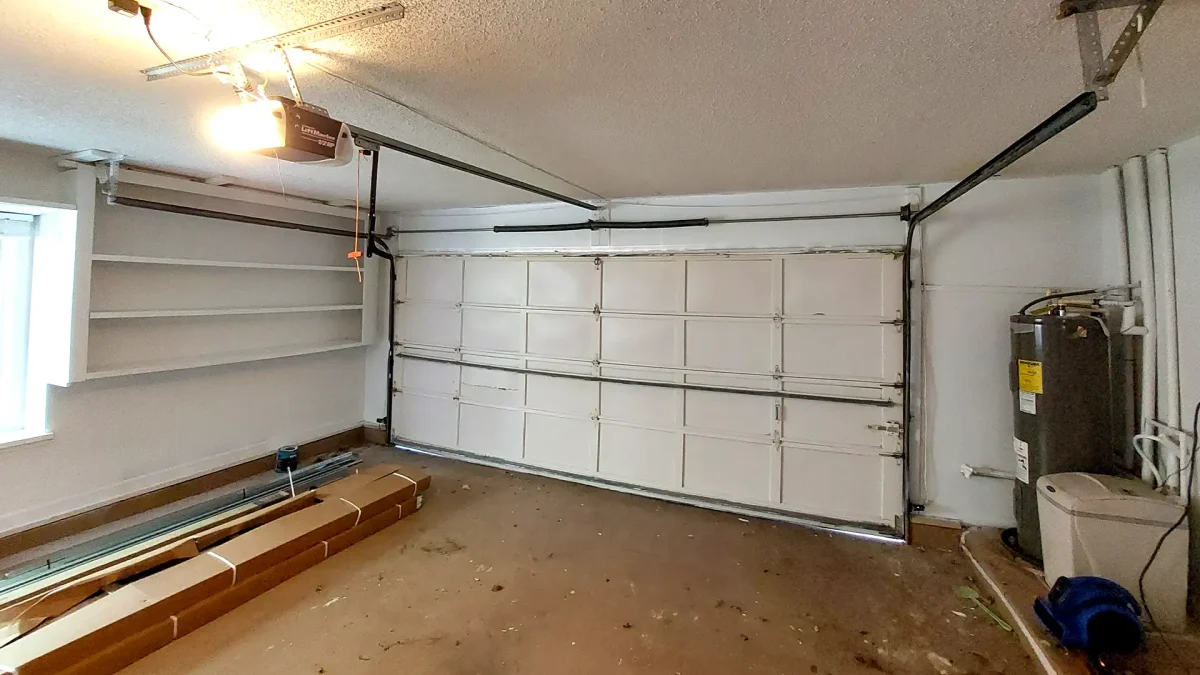
  • Torsion springs sit horizontally above the door and twist to create lifting tension. They tend to last longer but store more energy, which makes them more dangerous to handle without the right tools.
  • Extension springs run along the horizontal tracks on either side of the door and stretch to create tension. They’re common on older installations and wear differently than torsion springs.

Both types need to be sized correctly for the specific weight and dimensions of your door. A spring that’s close enough but not quite right will wear out faster and put more strain on the opener and tracks.

Common Warning Signs Before a Spring Breaks

A spring rarely fails with zero warning. Look for:

  • A loud bang from the garage, which is often the sound of the spring itself snapping
  • The door feeling unusually heavy when you try to lift it manually
  • Visible gaps or separation in the coil of the spring
  • The door closing too fast or dropping unevenly
  • Cables that look loose or frayed near the spring assembly

If you notice any of these, it’s worth getting the door looked at before it fails completely, ideally during regular business hours rather than in the middle of an emergency.

What To Do When a Spring Breaks

The most important thing to do first is stop using the door. A broken spring means the door has lost its main source of lifting support, and forcing it open with the opener can cause additional damage to the tracks, cables, or the opener motor itself.

Immediate Safety Steps

  1. Do not try to open or close the door manually or with the opener
  2. Keep the area clear, especially if the spring snapped and cables are visibly loose
  3. If a vehicle is trapped inside, it may need to wait until the repair is complete
  4. Avoid attempting a DIY spring replacement. Torsion springs in particular store enough tension to cause serious injury if handled without the correct tools and experience

Why Spring Repair Isn’t a DIY Job

Spring tension is not something to guess at. A miscalculated adjustment or an improperly sized spring can snap back with enough force to cause real injury, and it can also damage other parts of the door system if installed incorrectly. This is one of the more common reasons homeowners call a professional rather than attempt a repair themselves, even when they’re generally comfortable with home projects.

What a Professional Spring Repair Actually Involves

A proper spring repair is more than swapping in a new coil. It includes checking the full system that the spring works alongside.

Sizing and Matching the Spring

Every spring needs to be matched to the door’s weight, size, and balance point. A technician measures the door and calculates the correct spring specifications rather than installing a generic replacement that happens to fit the mounting brackets.

Checking Related Hardware

Because a broken spring puts sudden stress on cables, drums, and the track system, a thorough repair includes checking:

  • Cables for fraying or stretching
  • Drums and bearing plates for wear
  • Track alignment, since a hard stop from a snapped spring can knock tracks slightly out of position
  • The opener itself, to confirm it wasn’t strained during the failure

Testing the Full System After Repair

Once the new spring is installed, the door should be tested for balance, smooth operation, and proper reversal on the opener. A door that opens and closes evenly with no grinding or hesitation is a sign the repair was done correctly.

Finding Reliable Garage Door Spring Repair in Jacksonville

When you’re dealing with a broken spring, response time matters, but so does getting a technician who knows what they’re doing. A1A Overhead Door has been repairing garage doors and springs across Jacksonville and the surrounding communities for nearly 30 years as a family-owned, non-franchised company. We repair and replace both torsion and extension springs, sizing each one correctly for your specific door rather than reaching for whatever fits on the shelf.

Same-Day and Extended Hours Service

A1A Overhead Door is available Monday through Saturday from 7 AM to 8 PM, which covers far more of the day than most companies offer. If your spring breaks during those hours, our team can typically get out to assess and repair it the same day. Because spring repair involves stored mechanical tension, it’s a job best handled by a licensed technician who arrives with the right tools and the correct replacement part the first time, rather than someone rushing through an overnight callout.

Licensed and Backed by a Real Warranty

Every repair we perform is completed under our own county specialty contractor licenses, GD17 in Duval County and BL5747 in St. Johns County. That means the work is never subcontracted out to a crew you’ve never met. Spring repairs are also backed by a one year warranty on parts within the scope of the work performed, so if something needs attention afterward, we come back out.

Frequently Asked Questions

Is it safe to open my garage door manually if the spring is broken? No. A broken spring means the door has lost its main lifting support, and manually forcing it open can cause the door to fall unevenly or put additional strain on the cables and tracks. It’s best to leave the door closed and call for a repair.

How much does garage door spring repair typically cost? Cost depends on the type of spring, the size and weight of the door, and whether any additional hardware needs attention after the failure. A technician can give you an accurate assessment once they’ve inspected the specific door.

Can I replace a garage door spring myself? It’s strongly discouraged. Torsion springs especially store a significant amount of tension, and improper handling can cause serious injury. Professional installation also ensures the spring is correctly sized for your door’s weight and balance.

Does A1A Overhead Door offer emergency spring repair? A1A Overhead Door is available Monday through Saturday from 7 AM to 8 PM, and same-day appointments are typically available for spring repairs during those hours. Call ahead to check availability for your specific situation.

What areas does A1A Overhead Door serve for spring repair? A1A Overhead Door serves Jacksonville, Neptune Beach, Atlantic Beach, Jacksonville Beach, Ponte Vedra, Ponte Vedra Beach, Nocatee, Fernandina Beach, Amelia Island, Yulee, Callahan, Hilliard, Orange Park, Middleburg, Green Cove Springs, St. Augustine, St. Augustine Beach, Kingsland, St. Marys, Woodbine, and nearby communities across Duval, Nassau, Clay, and St. Johns Counties in Florida and Camden County in Georgia.

Get Your Spring Fixed Right the First Time

A broken garage door spring is stressful, but it doesn’t have to turn into a bigger problem if it’s handled correctly from the start. A1A Overhead Door has been serving Jacksonville and the surrounding communities for nearly 30 years, with licensed technicians who size every spring correctly and back the work with a one year parts warranty. Call (904) 821-8463 today to schedule your spring repair and get your garage door back to working the way it should.

Categories
Blog Garage Door Installation & Replacement

Broken Garage Door Spring in Jacksonville? Here’s Whether You Should Repair or Replace It

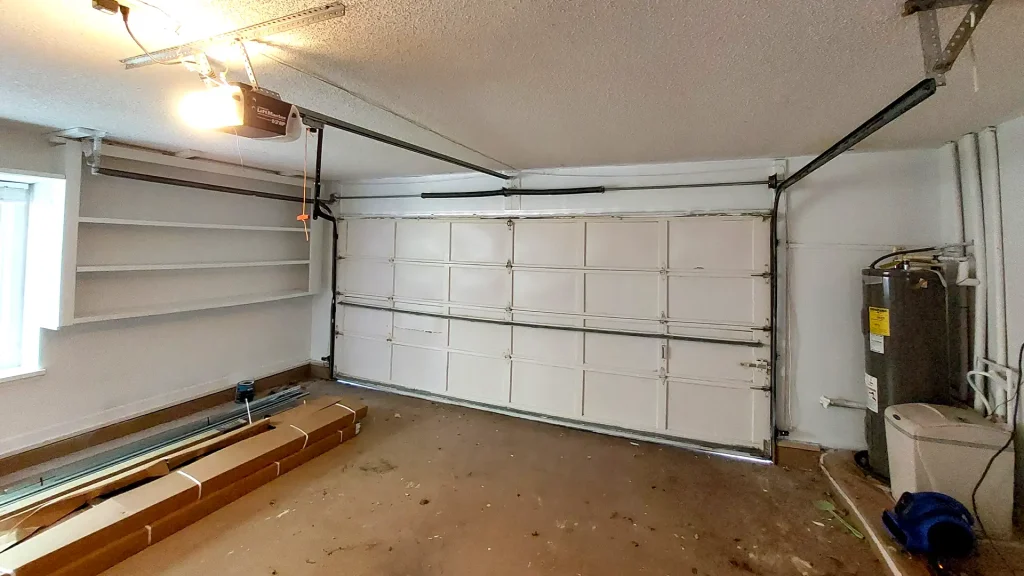
spring-repair-section

A broken garage door spring forces a decision most homeowners never expected to make. Do you replace just the spring, or is this a sign the whole system needs a closer look? The answer depends on a handful of factors that are easy to sort through once you know what to check.

If you’re dealing with a broken garage door spring in Jacksonville right now, here’s how to think through the decision and what to expect either way.

How to Tell Your Spring Has Actually Broken

Not every stuck or heavy door means a broken spring, but there are a few clear signs that point directly to it.

Clear Indicators of a Broken Spring

  • A loud bang coming from the garage, often the moment the spring itself snaps
  • The door will not stay open on its own or falls when you try to lift it manually
  • A visible gap in the coil of the spring if you can safely see it from a distance
  • The opener strains, stalls, or reverses immediately when trying to lift the door
  • One side of the door appears to droop or hang unevenly

If you see any of these, treat the door as out of service until it’s inspected. A door without a working spring has lost its main source of lift, and using the opener anyway can cause additional strain on the tracks, cables, and motor.

Torsion Springs and Extension Springs Wear Differently

Understanding which type of spring your door uses helps explain why some doors need a simple swap while others reveal bigger issues once a technician takes a closer look.

Torsion Springs

Mounted horizontally above the door, torsion springs twist to store the tension that lifts the door. They generally handle more cycles before wearing out, but they store enough force that replacing one without the right tools is genuinely dangerous.

Extension Springs

These run along the horizontal tracks on either side of the door and stretch to create lifting tension. They’re common on older systems and tend to show wear differently, sometimes stretching unevenly before they fail completely.

Either type needs to be sized to match the door’s specific weight and balance point. A spring that’s close but not exact will wear out faster and put more strain on everything else the door relies on.

When Repairing the Spring Is the Right Call

In most cases, a broken spring on an otherwise healthy door is a straightforward repair. If the door itself has been operating well, the tracks are straight, the opener has been running smoothly, and the only failure is the spring, replacing it correctly resolves the issue.

What a Proper Spring Repair Includes

A repair done right goes beyond just installing a new spring. It should also cover:

  • Confirming the correct spring size and tension for your specific door
  • Checking cables and drums for wear caused by the sudden loss of tension
  • Verifying that tracks are still aligned after the hard stop from the failure
  • Testing the opener to make sure it wasn’t strained during the break
  • Balancing the door so it opens and closes evenly once the new spring is in place

A door that’s inspected fully after a spring failure, not just patched with a new coil, is far less likely to have a repeat issue a few months later.

When a Broken Spring Points to a Bigger Problem

Sometimes a broken spring is the first visible sign of a door that’s been struggling for a while. A few situations are worth watching for.

Multiple Components Showing Wear

If the spring failure comes along with rusted tracks, worn rollers, or an opener that was already having trouble before the spring gave out, replacing just the spring may only be a short-term fix. An honest assessment of the full door, not just the failed part, is the only way to know whether more work is actually needed.

Older Doors Without Wind Load Ratings

Florida has required wind load rated garage doors since 2002. If your home’s door predates that standard, a spring failure can be a good moment to have the entire door evaluated, especially heading into hurricane season when a properly rated door matters even more.

Repeated Spring Failures

A spring that fails again within a year or two of a previous repair usually points to something else going on, whether that’s an improperly sized spring from an earlier repair, a door that’s out of balance, or hardware that’s putting uneven strain on the system.

What to Expect From a Spring Repair Visit

Knowing what a technician actually does when they arrive can make the whole process feel less uncertain.

Inspection First

Before any replacement happens, the door should be inspected as a full system rather than just the broken spring. This includes the tracks, cables, rollers, and opener, since a sudden spring failure can put stress on all of them.

Correct Sizing, Not a Generic Match

Every spring needs to be matched to the exact weight and dimensions of your door. Installing a spring that’s simply close enough leads to faster wear and can throw the door’s balance off in ways that aren’t obvious right away.

A Final Balance and Function Test

After the new spring is installed, the door should open and close smoothly, stay in place when partially open, and reverse properly if it meets resistance. If any of that feels off after a repair, it’s worth having it rechecked.

Getting Your Spring Repaired in Jacksonville

A1A Overhead Door has been repairing garage door springs across Jacksonville and the surrounding communities for nearly 30 years as a family-owned, non-franchised business. We repair and replace both torsion and extension springs, sizing each one correctly for your specific door rather than installing whatever happens to fit.

Licensed Work, Not a Subcontracted Crew

Every repair is performed under our own county specialty contractor licenses, GD17 in Duval County and BL5747 in St. Johns County. That means the person doing the work is accountable to those licenses directly, not a crew brought in from somewhere else.

A Warranty You Can Actually Use

Spring repairs are backed by a one year warranty on parts within the scope of the work performed. If something needs attention after the repair, we come back out to address it.

Extended Hours for When You Need Us

A1A Overhead Door is available Monday through Saturday from 7 AM to 8 PM, which gives you a wide window to get a broken spring looked at without waiting through an entire weekend.

Frequently Asked Questions

Can I just replace the broken spring myself? It’s strongly discouraged. Torsion springs in particular store enough tension to cause serious injury if handled without the correct tools and experience. Extension springs carry less stored force but still require proper technique to install safely and correctly.

Does a broken spring mean I need a new garage door? Not necessarily. Most broken springs are repaired on their own without needing a full door replacement, especially if the rest of the door has been functioning well. A full inspection is the best way to know for sure.

How long does a spring repair typically take? Most spring repairs are completed in a single visit once a technician has assessed the door and confirmed the correct spring specifications.

Why did my garage door spring break in the first place? Springs wear out gradually from the repeated tension of opening and closing the door thousands of times. Age, an improperly sized spring from a previous repair, or heavy daily use can all speed up that wear.

What areas does A1A Overhead Door serve for spring repair? A1A Overhead Door serves Jacksonville, Neptune Beach, Atlantic Beach, Jacksonville Beach, Ponte Vedra, Ponte Vedra Beach, Nocatee, Fernandina Beach, Amelia Island, Yulee, Callahan, Hilliard, Orange Park, Middleburg, Green Cove Springs, St. Augustine, St. Augustine Beach, Kingsland, St. Marys, Woodbine, and nearby communities across Duval, Nassau, Clay, and St. Johns Counties in Florida and Camden County in Georgia.

Get a Straight Answer About Your Spring

A broken garage door spring doesn’t have to mean guessing at the right decision. A1A Overhead Door has spent nearly 30 years helping Jacksonville homeowners sort out exactly what their door needs, whether that’s a straightforward spring replacement or a closer look at the whole system. Call (904) 821-8463 today to schedule an inspection and get your door back in reliable working order.